 USD


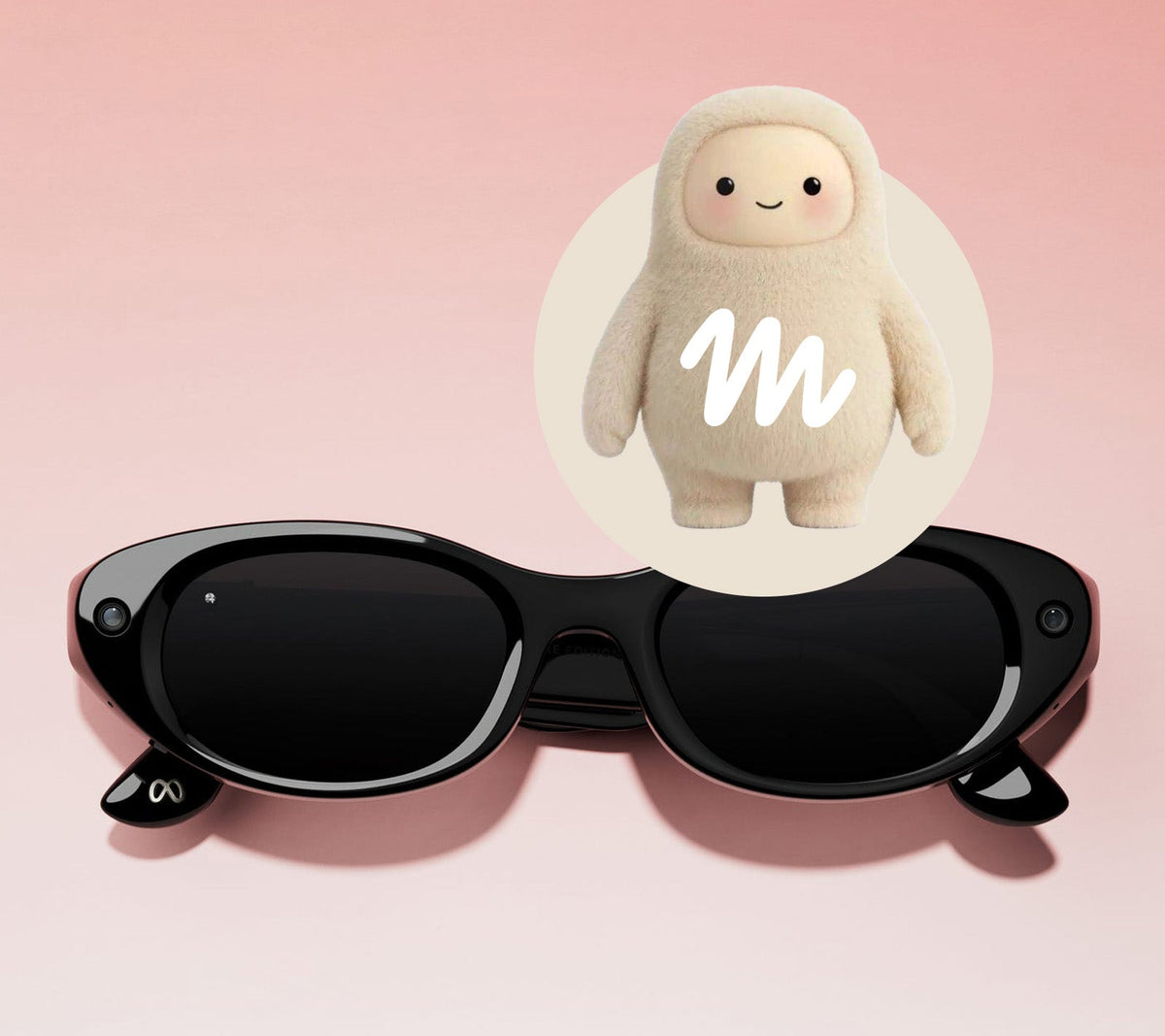
During Meta’s highly anticipated Q3 2026 earnings call, CEO Mark Zuckerberg made a definitive statement that will reshape the wearable tech industry: the era of the bulky VR headset is taking a back seat, and the age of "personal super intelligence" has officially arrived.

While Reality Labs reported a 6% revenue drop due to declining Quest sales, that loss was heavily offset by explosive, continued growth in their AI smart glasses division. Meta’s hardware strategy is no longer about chasing massive profit margins on the physical devices. Instead, the goal is to build a sprawling, subscription-based software ecosystem anchored by Muse, Meta's new agentive AI.

Slated to launch on Meta glasses next month, Muse is not just a voice assistant—it is designed to be a continuous, contextual "personal super intelligence" that you wear all day.
What Muse Actually Brings to Smart Glasses

Until now, AI on smart glasses has been largely reactive (e.g., "Hey Meta, what am I looking at?" or "Translate this sign"). Muse shifts the paradigm from reactive answering to proactive doing.
By leveraging continuous environmental context (what you see and hear), Muse can take autonomous actions on your behalf. Zuckerberg emphasized that carrying this super intelligence with you all day will quickly become the most important and transformative part of the smart eyewear experience.
Based on the capabilities of Muse and the trajectory of wearable AI, here are the Top 5 Potential Use Cases for Muse on Ray-Ban Meta glasses:
1. Ambient Memory Retrieval
Have you ever met someone at a networking event and instantly forgotten their name? Because Muse can continuously process contextual data, you can simply ask, "What was the name of the investor I spoke to by the coffee machine?" or "Where did I leave my car keys?" Muse acts as an infallible, searchable external hard drive for your daily life.
2. Proactive Scheduling and Booking
Instead of pulling out your phone to navigate a calendar app, you can simply look at a concert poster on the street and say, "Buy two tickets for this on Friday and add it to my calendar." Muse can read the visual information, navigate the transaction, and secure the booking in the background.
3. Context-Aware Communication Triage
If you are driving and stuck in heavy traffic, Muse can visually recognize the delay and ask, "You are going to be 15 minutes late to your 9:00 AM meeting. Should I email the team?" With a simple "Yes," Muse drafts and sends the contextual email without you ever taking your hands off the steering wheel.
4. Seamless Hands-Free Commerce
Imagine walking through a retail store, looking at a pair of shoes, and asking, "Is this cheaper online?" Muse can instantly cross-reference digital marketplaces and, upon your verbal approval, purchase the item and have it shipped to your home—completely bypassing the physical checkout line.
5. Advanced Live Translation and Travel Assistance
While current glasses can translate static text, Muse can act as a real-time cultural liaison. If you are looking at a menu in Tokyo, you can say, "Order me the chef's special, but make sure it has no shellfish." Muse can translate the request to the waiter audibly, ensuring your dietary restrictions are perfectly communicated.
The All-Day Power Problem
Zuckerberg's vision is incredibly ambitious: "allowing you to carry personal super intelligence with you all day."
However, running a constant, context-aware AI agent that processes real-time audio and video requires immense computing overhead. You simply cannot carry a "personal supercomputer" all day if your glasses run out of battery in three hours. If Muse is going to become the core of our daily lives, users are going to need continuous, external power to keep the AI awake.
This is exactly why dedicated power architecture is no longer an optional accessory; it is a fundamental requirement for the era of AI wearables.

Carina C2 Charging Kit for Ray-Ban Meta Glasses
As Meta prepares to roll out Muse next month and shift its financial model toward software subscriptions, one thing is crystal clear: the hardware that survives will be the hardware that can stay powered long enough to actually let the AI do its job.