 USD
USD






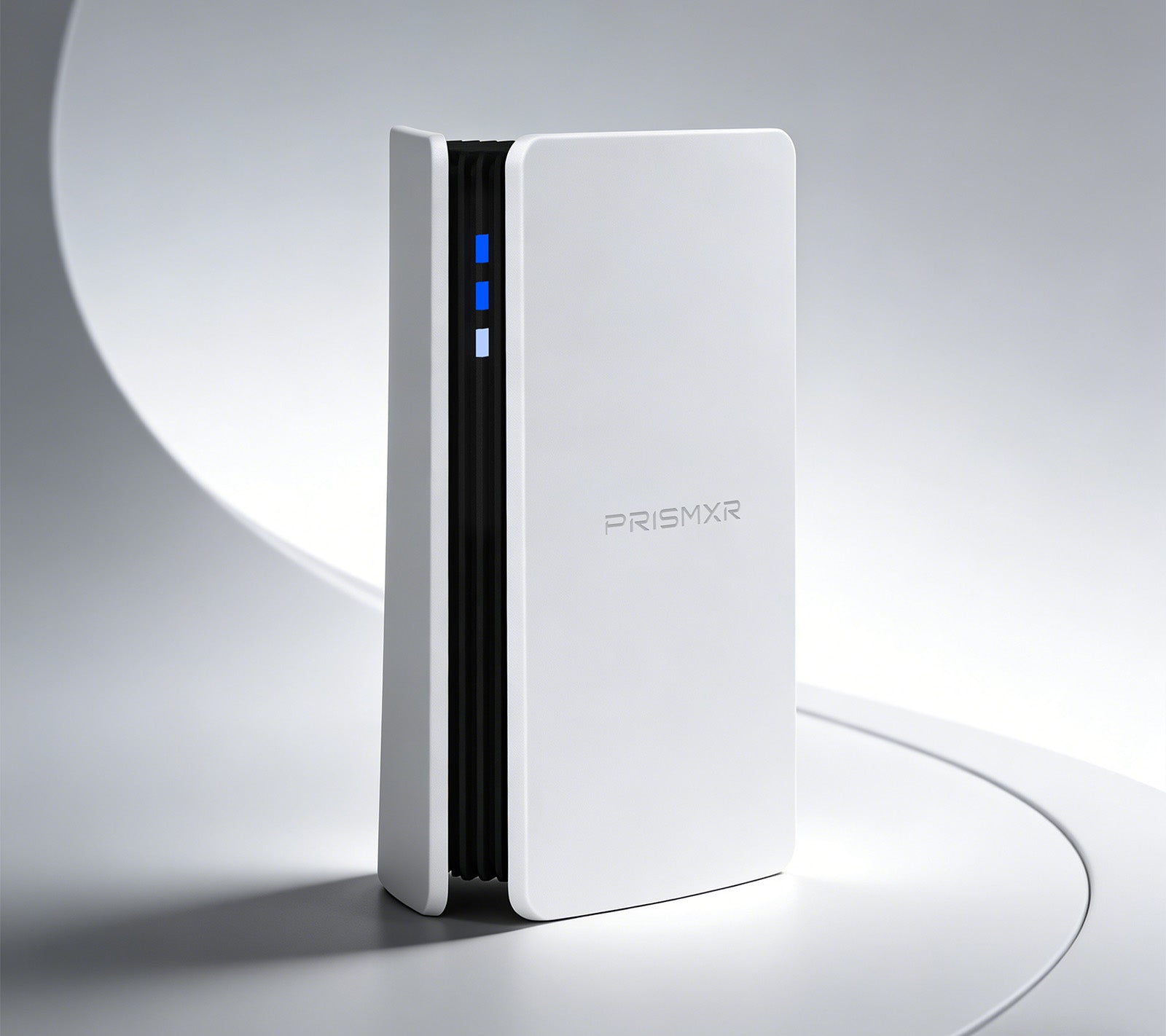
The landscape of online gaming is perpetually evolving, driven by higher resolutions, more complex virtual worlds, and the relentless pursuit of zero latency. As we look toward 2026, the demands placed on our home networks will intensify. The router, once a humble box blinking in the corner, is now the critical gateway to victory or defeat, immersion or frustration. But with marketing claims growing louder, how does one discern the genuine contenders for the title of best gaming router 2026? This exploration moves beyond mere specifications to examine the core functionalities and intelligent design that will separate the exceptional from the ordinary in the coming years.
What Core Technologies Will the Best Gaming Routers of 2026 Possess?
The foundation of any elite gaming router is its underlying technology. By 2026, certain features will transition from premium bonuses to standard requirements.
How Will Advanced QoS and AI Networking Redefine Priority Management?
Traditional Quality of Service (QoS) settings allow manual prioritization of devices or types of traffic. The routers of 2026 will evolve this into an intelligent, predictive system. Imagine a router that uses machine learning to recognize not just that you are gaming, but which game you are playing. It could automatically allocate the optimal bandwidth and latency profile for a competitive esports title versus a bandwidth-heavy cloud-streamed game. This AI-driven network optimization will dynamically adjust in real-time as other household activities—like 8K video streaming or large file downloads—occur, ensuring your gaming session remains silky smooth without requiring manual intervention each time.
What Specialized Features Will Cater to Next-Gen Gaming Ecosystems?
Gaming is expanding beyond the traditional PC and console. The routers that lead in 2026 will offer specialized modes to support these new frontiers.
Can a Dedicated Router Mode Eliminate VR Streaming Latency?
This is where the conversation becomes particularly interesting. For PC-based Virtual Reality gaming, wireless streaming to headsets like the Meta Quest 3 or Pico 4 is paramount for an untethered experience. A standard router handles traffic from dozens of devices, which can introduce interference and latency spikes. The innovative solution, exemplified by devices like the PrismXR Puppis S1, is a Dedicated Connection by PrismPulse Mode. This feature creates a direct, optimized link between your PC and VR headset. By leveraging a powerful 1.3GHz dual-core chipset and advanced beamforming technology, it minimizes interference from other Wi-Fi signals, dedicating the router's full resources to delivering the high-bandwidth, low-latency stream required for immersive VR. This specialized approach suggests that the best gaming router 2026 might not be a one-size-fits-all device, but one that can switch into a dedicated, application-specific mode.
How Important is Multi-Gigabit WAN and Aggregated LAN for Future-Proofing?
Internet service speeds continue to climb, with multi-gigabit plans becoming increasingly available. A router limited to a standard 1 Gigabit WAN port will become a bottleneck. The leading routers in 2026 will feature a 2.5 Gigabit, 5 Gigabit, or even 10 Gigabit WAN port to fully utilize these fast connections. Furthermore, Link Aggregation (combining two LAN ports) will be crucial for hardwired gaming PCs and NAS devices, providing beyond-gigabit internal network speeds for lightning-fast game library transfers and backups.
How Do User Experience and Ecosystem Integration Factor In?
Raw power is meaningless if the router is difficult to manage. The user experience will be a major differentiator.
Does Simplified Setup and Management Become a Key Selling Point?
Yes, unequivocally. The hassle of configuring complex network settings is a significant barrier. Future-leading routers will prioritize intuitive setup processes. Technologies like the EaseLink system found on the Puppis S1, which uses a dedicated Bluetooth link for initial configuration and management via a smartphone app, represent this trend. A streamlined, user-friendly interface for managing device priorities, parental controls, and security features will be expected. The best gaming router 2026 will offer powerful granular control but will hide that complexity behind a simple, accessible dashboard for everyday use.
What Role Does Mesh Compatibility Play in Whole-Home Gaming?
Gaming is no longer confined to a single room. Cloud gaming on mobile devices, handheld PCs like the Steam Deck, and multiplayer console gaming in living rooms demand strong coverage everywhere. A top-tier gaming router in 2026 will either be a powerful standalone unit with exceptional range or, more likely, function as the primary node in a seamless mesh system. Easy integration with satellite nodes that also offer dedicated gaming backhaul channels will ensure low-latency performance across the entire home, not just next to the router.
Product Spotlight: The PrismXR Puppis S1 – A Specialist Approach
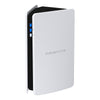
While discussing the future of all-in-one gaming routers, it's valuable to examine a product that takes a specialized, high-performance approach to a specific gaming niche: wireless PC-VR streaming. The PrismXR Puppis S1 is not a traditional home router; it is a tool engineered for a singular, demanding purpose.
Ultra-Fast Wi-Fi: Built on Wi-Fi 6 technology, it supports 160MHz bandwidth and 1024-QAM, delivering a combined speed of 3000 Mbps. This ensures the high data throughput necessary for streaming high-fidelity VR visuals.
Dedicated Connection by PrismPulse Mode: As highlighted earlier, this is its core feature. By creating a direct bridge between your PC and VR headset (compatible with Quest 2, Quest Pro, Pico 4, etc.), it eliminates the variables and interference of a crowded home network, providing the stability required for true immersion.
Broad Compatibility: It works with a wide array of VR headsets and popular software like Virtual Desktop and SteamVR, making it a versatile tool for any PC-VR enthusiast.
Versatile Modes: Beyond its primary function, it can operate as a standard Wi-Fi hotspot or a Wi-Fi adapter for a PC, adding utility.
The Puppis S1 demonstrates that for peak performance in a specific domain, a dedicated tool can often outperform a generalist. It prompts an important question for consumers looking toward 2026: will your needs be best served by a single, powerful do-it-all router, or by a combination of specialized devices?
Conclusion: The Synthesis of Power, Intelligence, and Specialization
The quest for the best gaming router 2026 will not be won by a single, overwhelming specification. It will be awarded to devices that successfully synthesize raw technological power—Wi-Fi 7, multi-gigabit ports—with intelligent, adaptive software that manages network traffic proactively. Furthermore, as gaming fragments into different modalities (cloud, VR, competitive, cinematic), the ability to offer dedicated, optimized modes for these activities will become a hallmark of high-end routers. User experience, from effortless setup to whole-home mesh coverage, will complete the picture. Whether you choose a future-proofed mainstream powerhouse or a specialized device like the PrismXR Puppis S1 for a particular use case, the focus must remain on how the router's features directly translate to a tangible, lag-free, and immersive gaming experience.
Frequently Asked Questions (FAQs)
Q1: Will I need to upgrade to a Wi-Fi 7 router in 2026 for gaming?
While not strictly necessary if your current Wi-Fi 6/6E router performs flawlessly, Wi-Fi 7 will offer significant advantages in crowded network environments and for cutting-edge applications like high-resolution wireless VR and cloud gaming. For competitive gamers and early adopters seeking the absolute lowest latency and highest stability, a Wi-Fi 7 router will likely be a worthwhile investment by 2026.
Q2: Is a dedicated gaming router better than using my internet provider's modem-router combo?
In almost all cases, yes. ISP-provided combo units are designed for general reliability and cost-effectiveness, not for maximizing gaming performance. A dedicated gaming router offers superior hardware (more powerful processors, better antennas), advanced QoS features, and more granular control over your network, all of which contribute to reduced ping times, less packet loss, and a more consistent connection.
Q3: For wireless VR streaming, should I use my existing home router or a dedicated router like the Puppis S1?
This depends on your network environment and performance demands. If your home router is high-quality, supports Wi-Fi 6, and you can dedicate a clear 5 GHz or 6 GHz channel exclusively to your VR headset, it may suffice. However, if you experience stuttering, compression, or latency, a dedicated router like the Puppis S1 is designed to solve these exact problems. By isolating the VR traffic from all other household devices, it provides a cleaner, more stable connection that is often superior to even a good shared home network.