 USD
USD



You've done everything right. You built a powerful gaming PC, invested in a high-refresh-rate monitor, and subscribed to the fastest internet plan available. You load into your favorite competitive shooter, spot an enemy, and take the shot. But in that critical millisecond, your screen freezes. A split second later, you're staring at a respawn screen. Sound familiar? The culprit is often the most overlooked piece of tech in your setup: your standard-issue Wi-Fi router.
For serious gamers, a generic router simply won't cut it. It's like putting budget tires on a race car. A specialized wifi router for gaming is not a luxury; it's a fundamental component for anyone who wants a seamless, responsive, and uninterrupted gaming experience. This is especially true when your wifi router at game night becomes the deciding factor between victory and defeat.
What Makes a Router a "Gaming" Router?
At first glance, a gaming router might look just like any other router, perhaps with more aggressive styling and some flashy LEDs. But under the hood, the differences are profound. A standard router is designed to handle a variety of tasks—streaming movies, browsing the web, checking emails—fairly distributing bandwidth among all connected devices. This "fair" distribution is the problem for gamers.
When someone else in your house starts a 4K video download, a standard router will allocate a significant portion of your bandwidth to that task, potentially causing your game to stutter or lag. A gaming router, however, is built with technologies specifically designed to prioritize gaming traffic above all else.
Key features to look for include:
-
Quality of Service (QoS): This is the brain of the operation. Advanced QoS settings allow you to prioritize your gaming console or PC over other devices on the network. You can tell the router, "No matter what, ensure my game gets the bandwidth and low latency it needs."
-
Dual-Band or Tri-Band Support: Gaming routers typically operate on the 5GHz band, which is less congested and offers faster speeds than the more common 2.4GHz band. Tri-band routers add a second 5GHz band, dedicating one entirely to your gaming rig for the ultimate interference-free connection.
-
MU-MIMO (Multi-User, Multiple Input, Multiple Output): This technology allows the router to communicate with multiple devices simultaneously, rather than taking turns. This reduces wait times and improves overall network efficiency, which is crucial in a smart-home full of connected gadgets.
-
Beamforming: Instead of broadcasting Wi-Fi signals in all directions, beamforming technology detects where your gaming device is and focuses a stronger, more direct signal toward it. This results in a more stable connection and better range.
For those who also create content or enjoy entertainment, finding the best router for gaming and streaming is essential, as it must balance high-priority traffic with the sustained bandwidth needed for high-quality video.
The Ultimate Weapon for PC VR Gamers: The Puppis S1
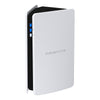
If you're a PC VR enthusiast, the network demands are even higher. You're not just sending simple input data; you're wirelessly streaming a high-resolution, immersive 3D environment from your computer to your headset. Any latency or stutter here doesn't just cost you a game—it can break immersion and even cause motion sickness. This is where a hyper-specialized router like the Puppis S1 changes everything.
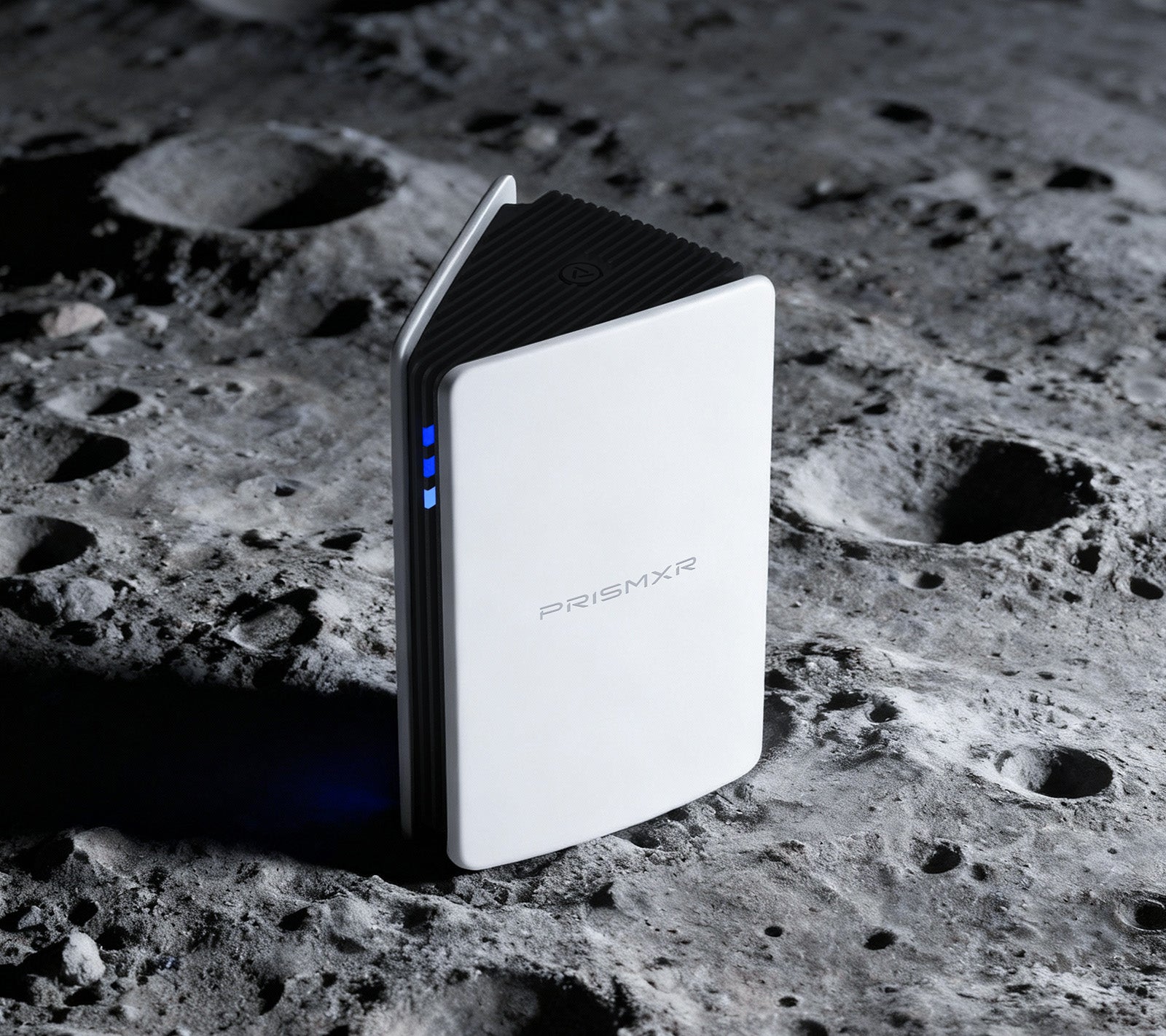
The Puppis S1 isn't just another Wi-Fi 6 router; it's a dedicated tool engineered from the ground up for one purpose: flawless PC-to-VR streaming. Let's break down why it's a game-changer.
Dedicated, Uninterrupted Connection with PrismPulse Mode
Powered by a robust 1.3GHz Dual-core chipset, the Puppis S1 creates a superhighway directly between your PC and your VR headset (like the Quest 2, Quest 3, or Quest Pro). Its advanced PrismPulse Mode, enhanced with beamforming, minimizes interference from other Wi-Fi signals in your home. This means you get a rock-solid, low-latency connection that allows you to fully lose yourself in virtual worlds without the fear of a lag spike pulling you out.
Built for Speed: Ultra-Fast Wi-Fi 6
VR data is immense. The Puppis S1 is built to handle it with support for 2x2 MIMO 160MHz bandwidth and 1024-QAM, delivering a total network speed of 3000 Mbps. With 2402Mbps on the clean 5GHz band (reserved for your VR headset) and 575Mbps on the 2.4GHz band, it ensures that every texture, movement, and action is transmitted with blistering speed and clarity.
Unbelievably Simple Setup with EaseLink
Often, the biggest hurdle with new tech is the setup process. The Puppis S1 eliminates this frustration with its unique EaseLink technology. This exclusive Bluetooth feature creates an independent, secure link between your PrismXR App and the router. The result is a hassle-free, streamlined setup that gets you from unboxing to gaming in minutes. There are no confusing driver installations—it's designed for plug-and-play simplicity.
Broad Compatibility for Your Entire VR Arsenal
No matter your preferred VR ecosystem, the Puppis S1 has you covered. It's compatible with a wide range of headsets including the Meta Quest 2, Quest Pro, Rift, Pico 4, HTC Vive, and Valve Index. It works seamlessly with official desktop software as well as popular third-party apps like Virtual Desktop and SteamVR, supporting both Windows and MacOS.
Beyond VR: Versatile Modes for Every Situation
The Puppis S1's utility extends beyond VR. It features two additional modes that make it a versatile addition to any tech setup:
-
WiFi Hotspot Mode: Share your PC's wired internet connection as a secure Wi-Fi hotspot for your other mobile devices.
-
WiFi Adapter Mode: If your desktop PC lacks Wi-Fi capability, this mode allows the Puppis S1 to act as a wireless adapter, connecting your PC to your home network.
Making the Right Choice for Your Gaming Needs
Investing in a proper wifi router for gaming is one of the most impactful upgrades you can make. It's the invisible foundation that supports every online match, every VR adventure, and every stream. Before you buy your next graphics card or headset, take a hard look at your network. Is it holding you back?
For traditional PC and console gamers, a high-quality Wi-Fi 6 router with robust QoS and multi-gigabit ports will provide a massive improvement. But for the PC VR gamer who demands the absolute best in wireless performance, a dedicated solution like the Puppis S1 is in a league of its own. It ensures that when you place your wifi router at game center stage, it performs like a champion, giving you the smooth, responsive, and immersive experience you deserve.